
Stories From Meditators
Passage meditators worldwide share their experiences. Find inspiration, encouragement, and practical tips for your own practice.
-

Filling the Wild
With MantramsJamie describes how he uses the mantram as an “outdoor traveling companion,” using it to both connect more deeply with nature, and as a first aid measure in times of difficulty.
-
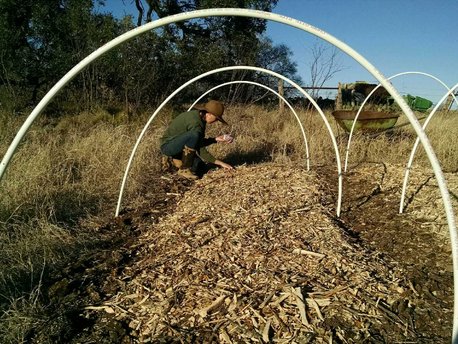
Living Out the Eight Points on a Farm
Each of the eight points plays a core role for Logan and Geer as they transition to the new lifestyle of being farmers.
-
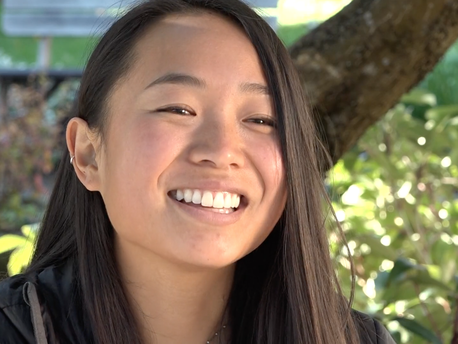
Finding My Path With Passage Meditation
How can passage meditation help you? Meet Lauren, an incoming nursing student who uses her practice to help her find fulfillment in her life.
-
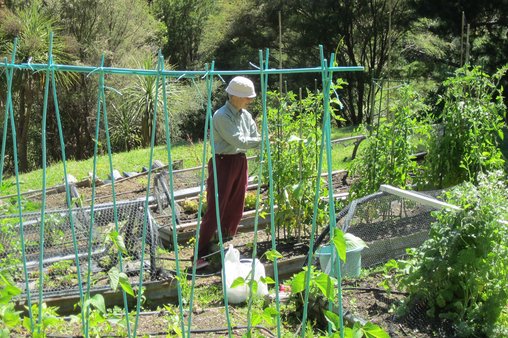
Using the Eight Points to Live Simply
Cath shares all the practical ways in which she’s integrated the eight points into her everyday life, helping her to live simply.
Read this story
-
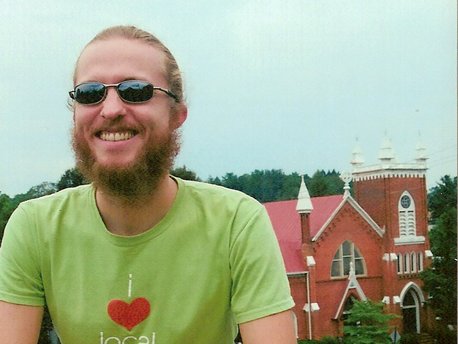
It Takes Work but It's Worth It
LB, living in Chattanooga, Tennessee, shares his reflections on the effort required to maintain a regular passage meditation practice, and the benefits it brings.
-
The Mantram as a Tool for Transforming Difficult Relationships
Chris shares how she used the mantram to stay kind over the long haul in a difficult working relationship.
-
Experiments, Results, Conclusions: Starting a Meditation Practice
Krishna shares his story about navigating the many phases between first reading an Easwaran book and establishing a daily meditation practice
-
Finding Support for My Practice
Fleur, living in the Netherlands, shares some of her strategies for sustaining a practice when she didn't have access to a local passage meditator community.
-
Applying Passages To Difficult Situations
Can passages help a difficult work relationship? Abhijeet in Tomales, California, answers "Yes!" and shares some of his application strategies.
-
The Difference the Mantram Makes
Myron shares how the mantram and meditation have helped him to transform his agitation at a family gathering.
-
Finding Easwaran & Establishing a Practice
Laura in Denver, Colorado, shares her story of finding passage meditation and her path to establishing a regular daily practice.
Read this story
-
Eight-Point Program Grandparenting
Laura is a passage meditator who splits her time between the Bay Area in California and Illinois. She describes how the eight points have helped her spend quality time with her granddaughter, and offers some tips for anyone raising a child.
-
A Day in the Life of a Passage Meditator
Lisa is a passage meditator in San Francisco, California. She shares how she is working on incorporating her eight-point practice into all aspects of her day.
-
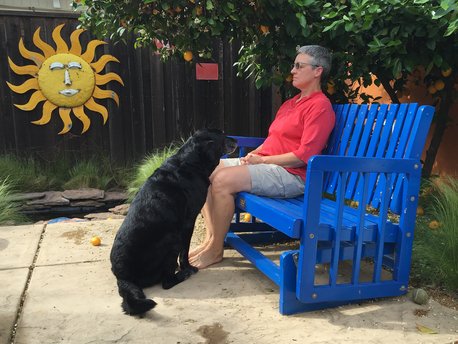
Creating a Personal Retreat
Paige, a passage meditator Sacramento, California shares how she creates a personal retreat to help her focus and strengthen her practice of the eight points from her own home.
-
“Conquest of Mind”: Beginning a Spiritual Journey
Sam, in New South Wales, Australia, describes how the book “Conquest of Mind” set him on a life-long spiritual journey with passage meditation.
-
Coming Home: Rediscovering Easwaran and Passage Meditation
Sara shares how she first learned about Easwaran and passage meditation as a child, and then embraced it herself as a young adult.
-
Healing With the Mantram
Susan shares how her practice of the eight points helped her find peace at the time of her mother’s passing. She also suggests creative ways for using the mantram at a challenging time.
-
Eight-Point Program Parenting
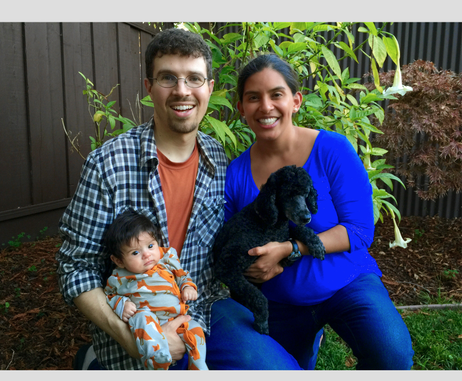
Adam and Emily share how they are using the eight points to find balance, unity, and spiritual growth in their life with a new baby.
Read this story
-

The Brain, the Mind, & the Mantram
Dr. Daniel Lowenstein, Executive Vice Chancellor and Professor of Neurology at UCSF, shares his perspective on the positive effects of using the mantram from the scientific point of view.
-
From Reading to Living: Exploring My Spiritual Heritage
Nikhil in New York shares how reading Easwaran's translations and commentaries on Indian scriptures led him to integrate his heritage of Indian spirituality into his day-to-day life.
-

Passage Meditation in a Christian Context
Josh in Danville, California shares how Easwaran and passage meditation have helped his faith and personal practice as both a Christian and a pastor.
-
Sharing Meditation With a Partner
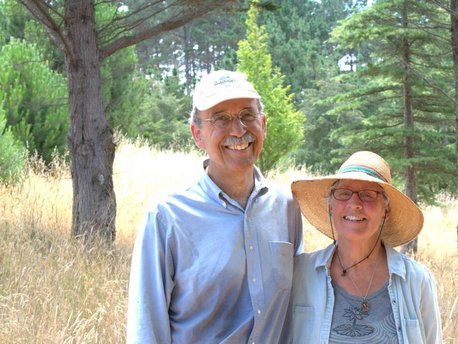
Passage meditators Charley and Kathleen began meditating as young adults. They share how meditating as a couple has supported their practice and their loving relationship together.
-
The Art of Slowing Down
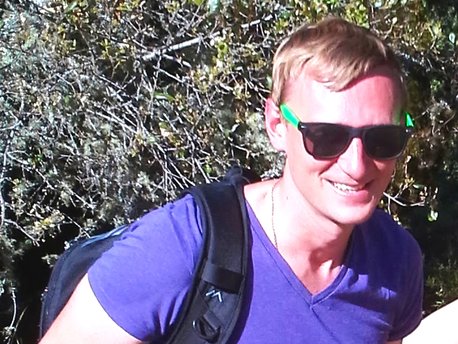
Jeremy shares some of the strategies he's developed to try and master the art of slowing down, even in the midst of a busy life.
-
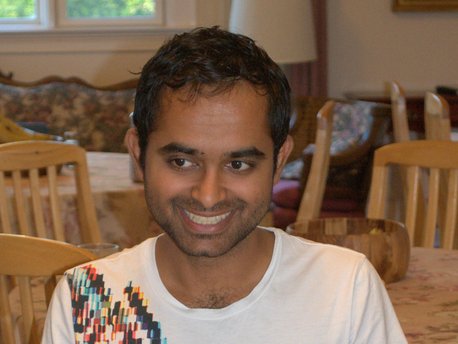
A Week in Tomales: Before, During, After
Krishna is a young adult living in Berkeley, California. He shares the experience and benefits of his first BMCM weeklong retreat.
-
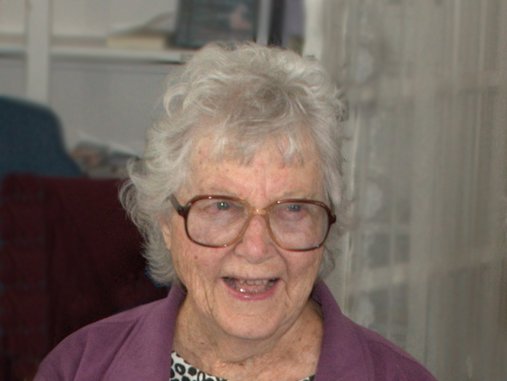
The Best Support as You Get Older
Norma is a longtime meditator – she started in her 30s and was 87 when we talked to her for this interview. She tells how Easwaran’s eight-point program is giving her even more support and purpose in her later years.
Read this story
-
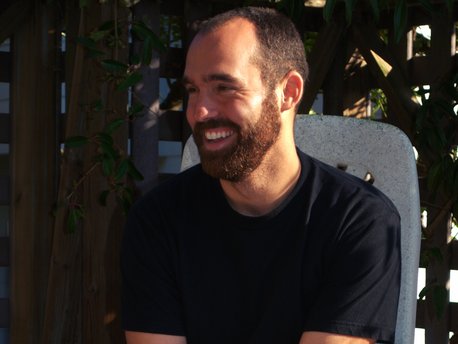
My Reasons for Attending Young Adult Retreats
Isaac is a Young Adult (YA) living in San Diego, California. He shares how YA weekend retreats inspire his meditation practice.
-
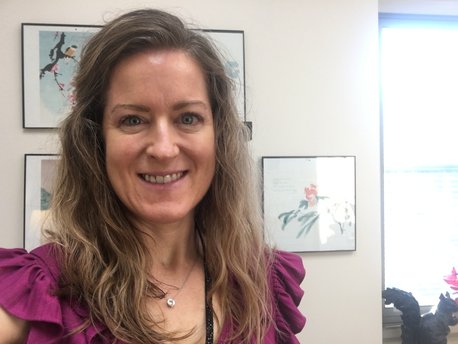
Slowing Down in a Busy Workplace
Merritt shares how her practice of the eight points, specifically Slowing Down, has helped her handle difficult conversations at work.
-
Giving Attention & Gaining Energy
Kurt shares how he uses the eight points throughout his day to manage his energy, so he can be effective and efficient in completing a major project.
-

Can We Be on Holiday All the Time?
Kate in Aldergrove, Canada, shares her thoughts on how to approach work and daily life to try to be on holiday (in a spiritual sense) all the time.
-
Tips for Meditating on the Road
Meditation is hard enough at home and under ideal conditions – so how can we keep it up when we're on the road and off our normal schedule? Adam, in Alameda, California, shares his tips.
-
The Support of Satsang
Lisa shares how satsang (spiritual fellowship) gave her support and helped her deepen her practice after an unexpected loss.
-

The Path to Detachment
Sheryl describes how she transformed a negative tendency into a more loving one, using her practice of the eight points.
-

Meditation & Meaning in Work
Susheelkumar describes how he established a daily passage meditation practice, and the results he’s seen in his personal and work life.
-
Using the Eight Points at a Time of Death & Grief
Rafi and Waheeda share how passage meditation helped them care for a parent who was terminally ill, and also supported them later in dealing with their grief.
-
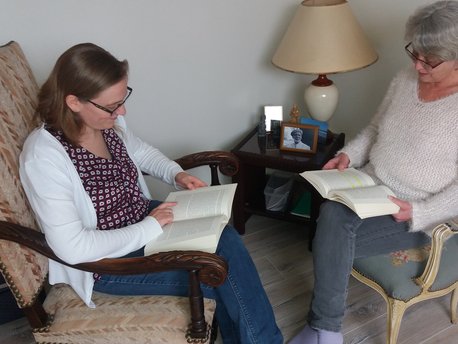
Building Satsang
Katrien, a passage meditator living in Belgium, describes all the different ways in which she’s found satsang for her practice.
-
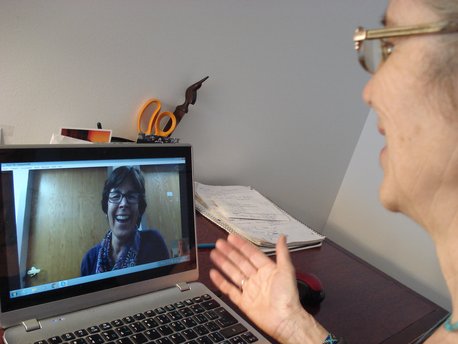
A Cross-Continent Satsang For Two
Laurie and Marguerite had no satsangs near them, so they had to get creative. Now they meet for video satsangs, connecting them across continents for support & inspiration.
-
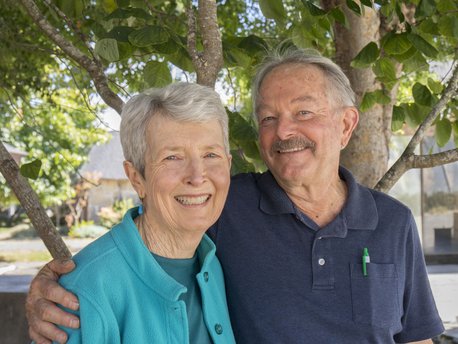
Building Trust & Digging In
Systematically and enthusiastically, Jim and Beth have been using their relationship as a training ground for learning to love the whole world.
-
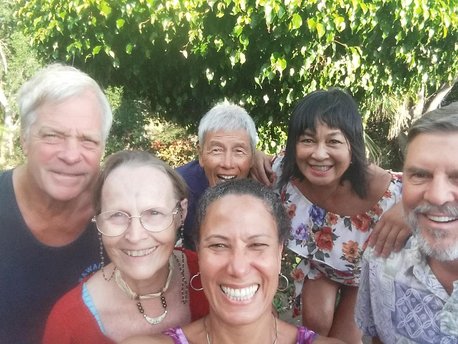
Satsang: It Is in Giving That We Receive
Taking on the challenge of sharing passage meditation with others, Scott found several unexpected benefits for his own practice.
-
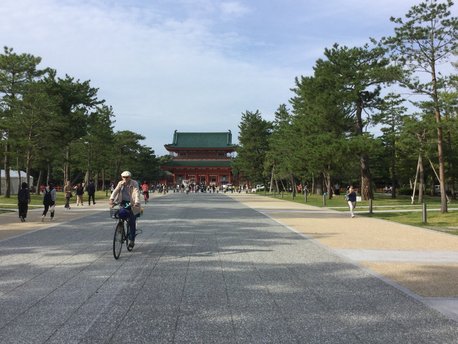
Sharing Easwaran in Japan
Kimiko is a passage meditator living in Japan. She describes her experience of meeting Easwaran in person, and how her enthusiasm for the eight-point program prompted her to translate Easwaran's wisdom into Japanese.
-
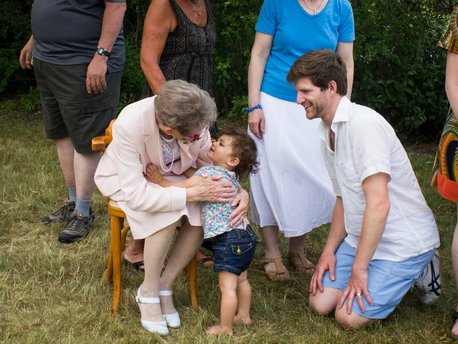
Spiritual Depth in the Family Context
“I never fathomed the joy I know now of family life,” Graham says in this story. For him, the family context is the perfect space to put Easwaran's eight points to work.
-
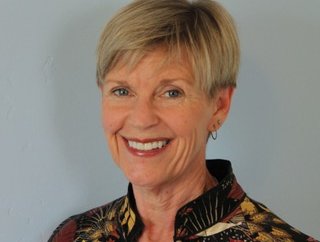
Integrating the Mantram Into My Work
Jill, a mental health nurse, shares how her own mantram practice developed, and how she has included the mantram in her work with patients.
-
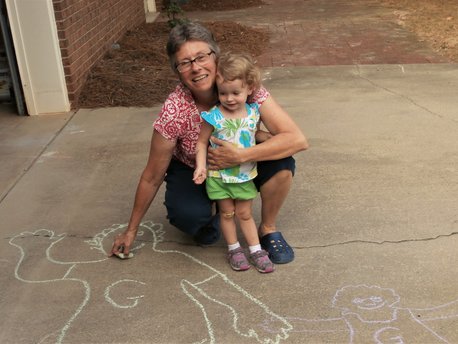
Training My Senses to Train My Mind
Rosemary realized that it’s in transitions between tasks or activities that she’s most vulnerable to giving into her cravings. Marshalling all the eight points, she’s used training the senses to improve her health and gain mastery over her mind.
-
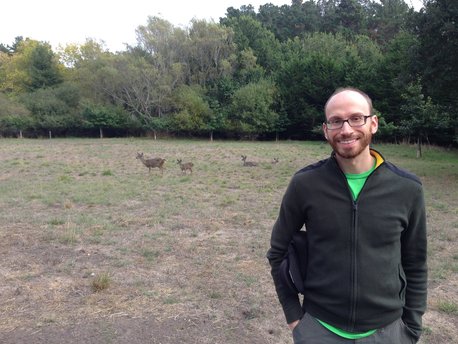
Seeking Unity Within Disagreement
In this interview, Drew shares the different ways his spiritual practice helps him find unity with those around him.
-
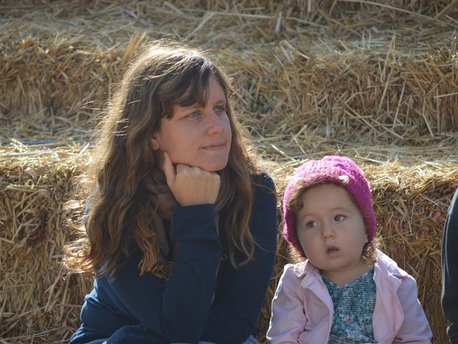
Working With Children & the Eight Points
Stephanie shares how she integrates all the eight points into her classroom at a Montessori preschool.
-
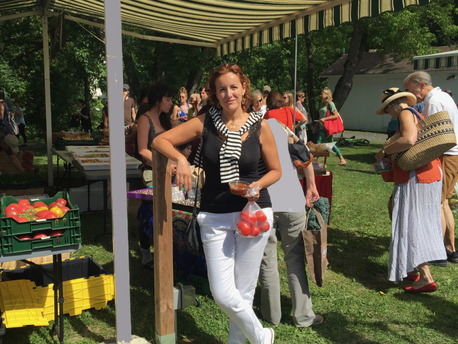
The Winding Road to My Peaceful Life
Marta shares how three key events helped her continue and deepen her passage meditation practice – all with a little help from her satsang friends.
-
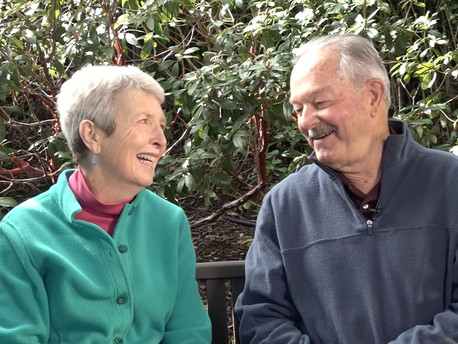
Building Our Relationship on a Foundation of Meditation
In this five-minute video, Jim and Beth share how they’ve centered their relationship on their shared passage meditation practice.
-
Reshaping My Day With Passage Meditation
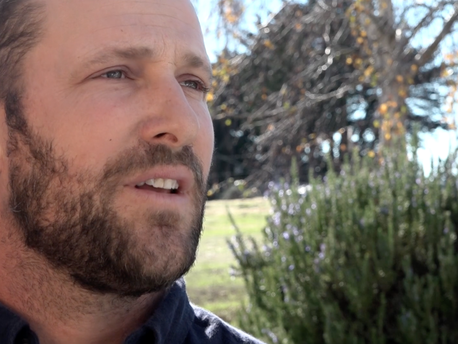
How can passage meditation help you? Meet Jesse, a small business owner and farm manager who uses meditation to reduce stress and find joy in everyday moments.
-

A Personal Retreat to Celebrate Easwaran’s Life & Teachings
Along with passage meditators around the world, L.B. set aside time in October 2017 to reflect on Easwaran’s contributions to his life.
-

Our Real Self
This 10-minute video features contributions from members of the worldwide community of passage meditators who share what Easwaran has taught them about their real Self.
-
Seeing the Lord in All